NMEC Welcomes the X BIKERS Team

NMEC Welcomes the X BIKERS Team

As part of its ongoing support for youth and efforts to promote cultural awareness, NMEC in Fustat welcomed a delegation from the X BIKERS initiative on a special visit that brought together sports with Egypt’s cultural and historical heritage.

The event began with a sports marathon that included tours of several archaeological and historical sites, with NMEC being one of the main highlights.

More than 100 professional cyclists from across Egypt participated in the event, taking a special tour inside the museum’s galleries and discovering its unique treasures that embody the richness of Egyptian civilization through the ages.

Fahim Foundation for Psychological Support

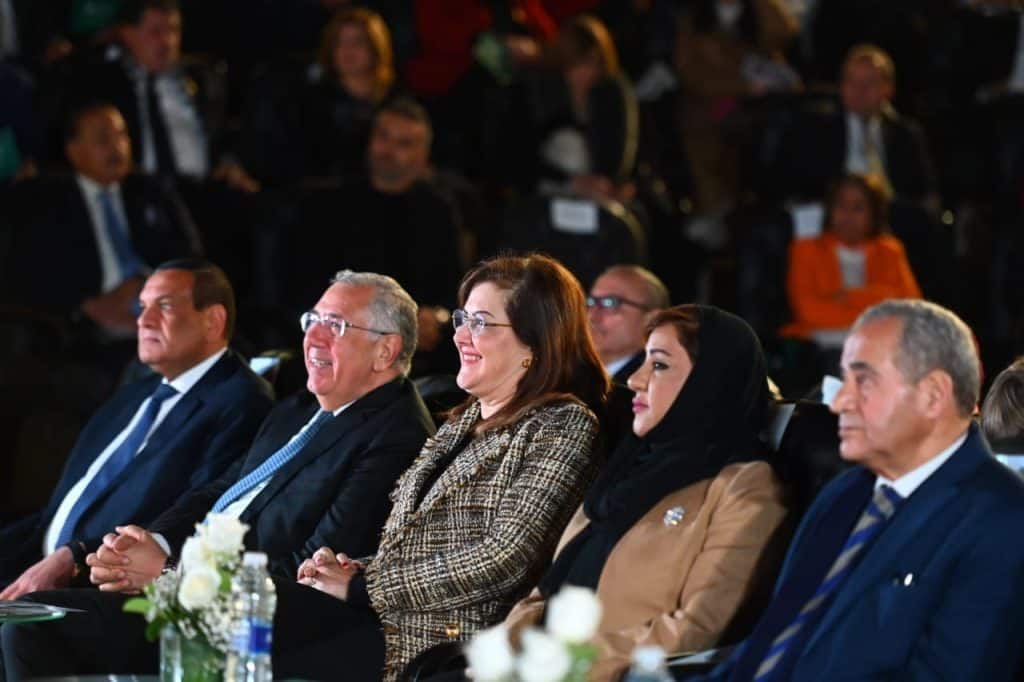
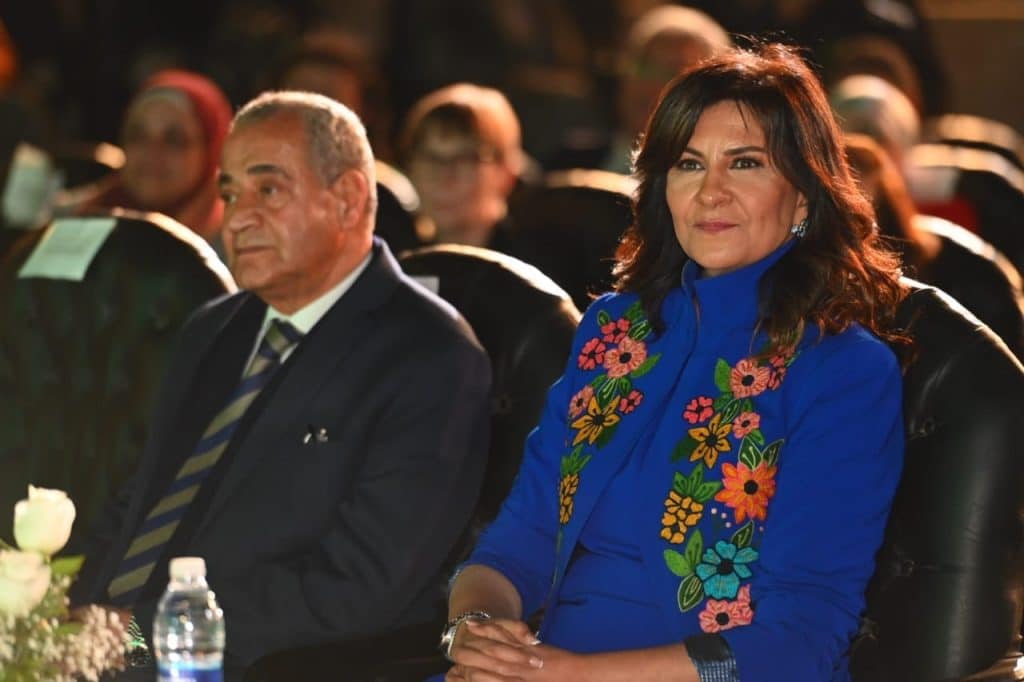
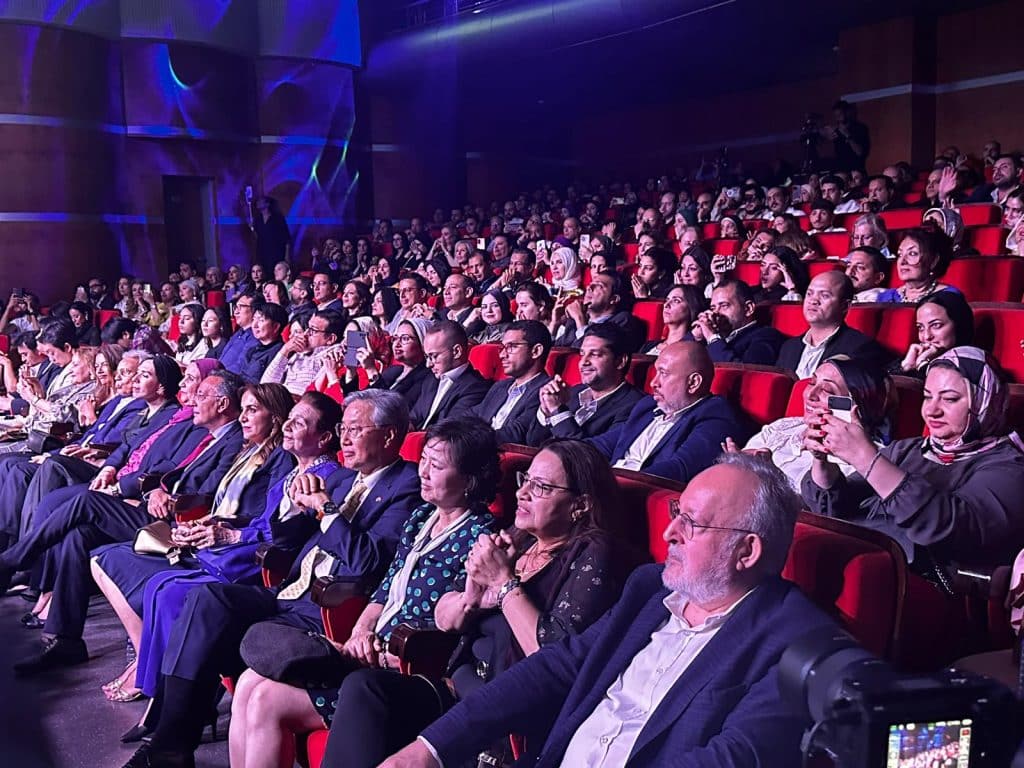
On March 2, 2024, NMEC hosted a celebration marking the one-year anniversary of the Fahim Foundation for Psychological Support, Egypt’s first institution focused on mental health awareness. The event was attended by several prominent ministers, ambassadors, mental health experts, and public figures, including the foundation’s founder, Ambassador Nabila Makram. A documentary highlighting the foundation’s achievements, including 122 events benefiting 1,635 participants, was showcased. In her speech, Makram emphasized the foundation’s dedication to raising awareness about mental health, supporting patients and families, and combating stigma. Dr. Ahmed Ghoneim, Director of NMEC, reaffirmed the museum’s commitment to supporting humanitarian initiatives in collaboration with various institutions.


Finals of the Men’s and Women’s Squash World Championship

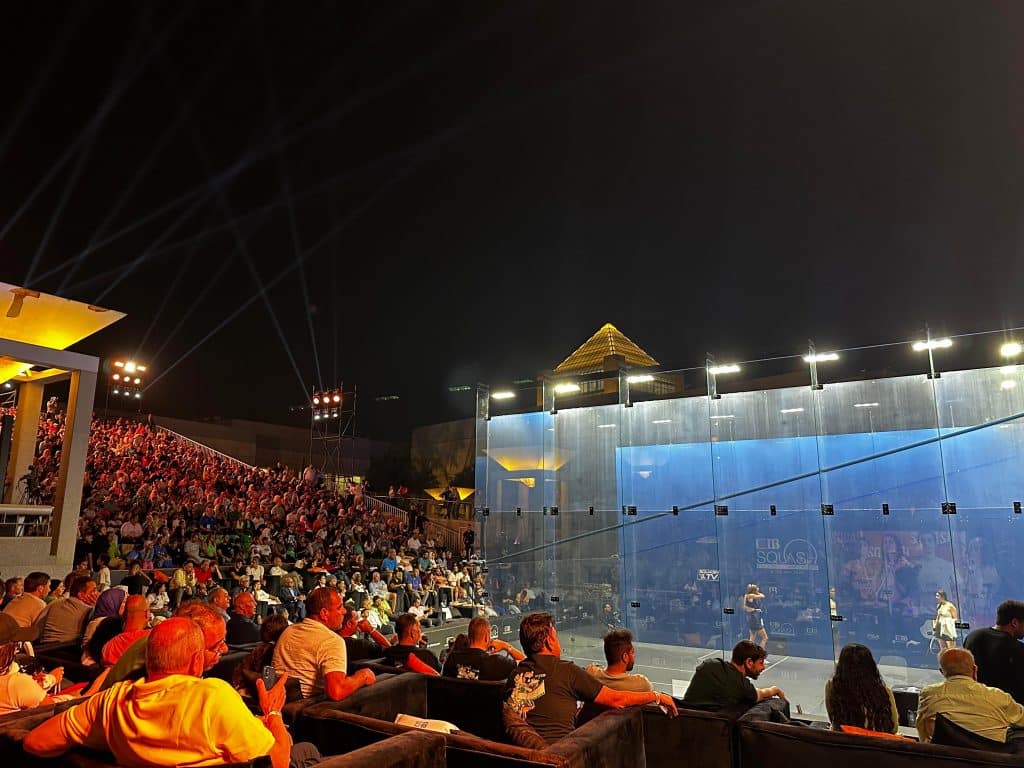
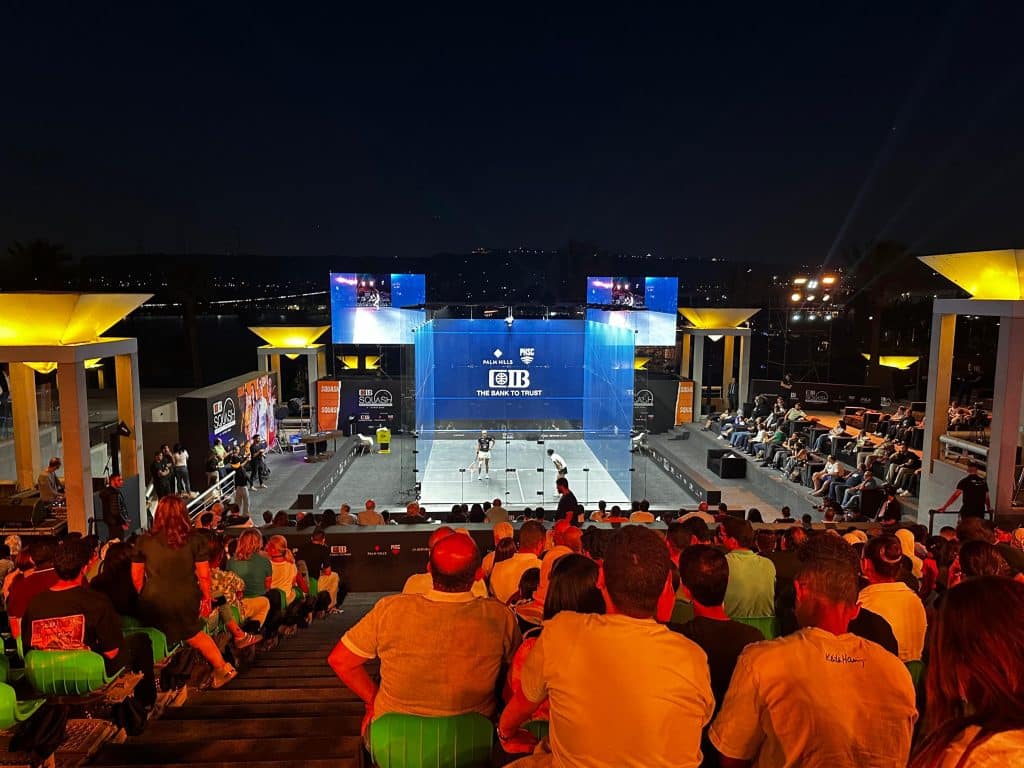
NMEC hosted the finals of the Men’s and Women’s Squash World Championship, which Egypt hosted from May 9 to 18. The matches took place on the glass court set up in the museum’s outdoor area, with the participation of 128 male and female squash players from 21 countries. The event was held under the auspices of both the Ministries of Tourism and Antiquities, and Youth and Sports.


Treasures Through Folk Art Between Egypt and Peru

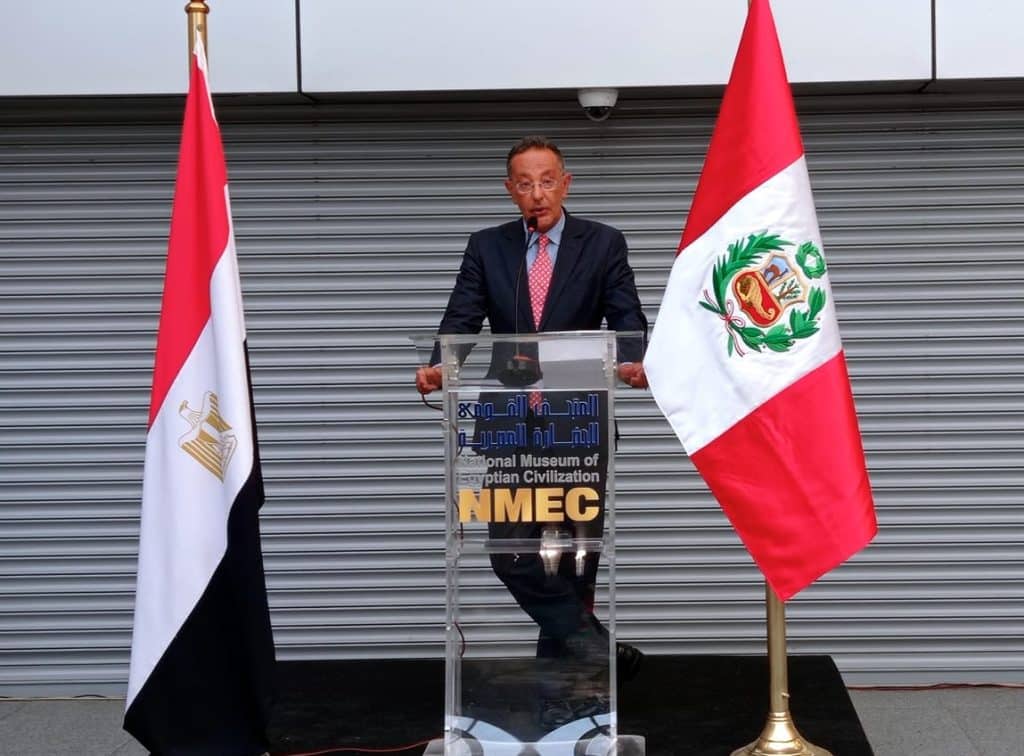
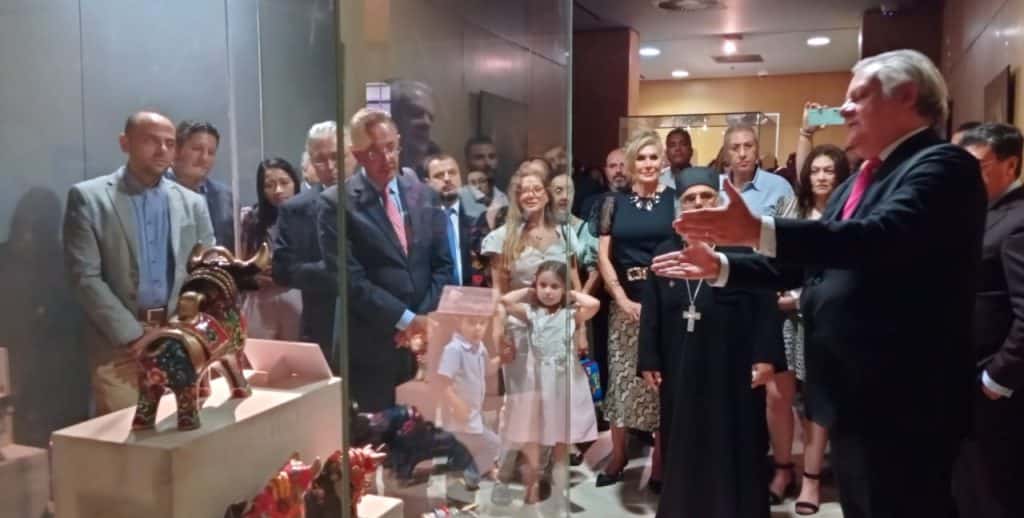
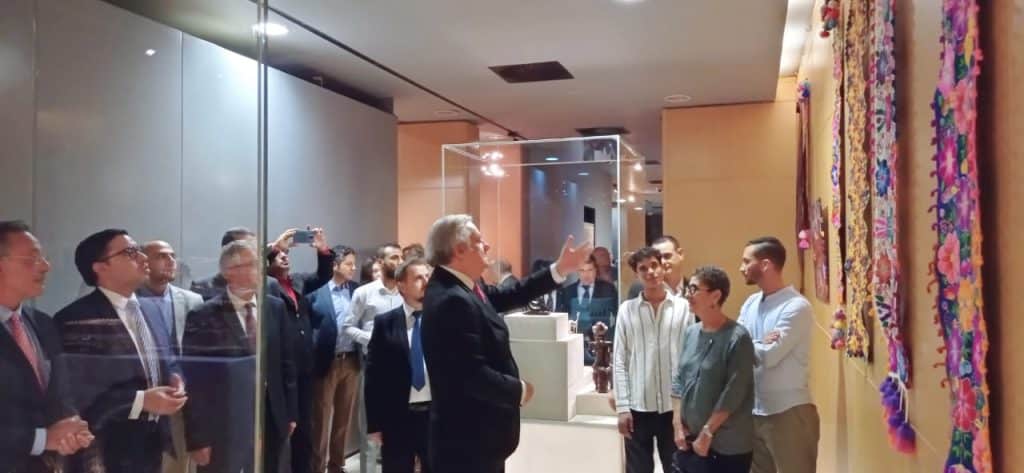
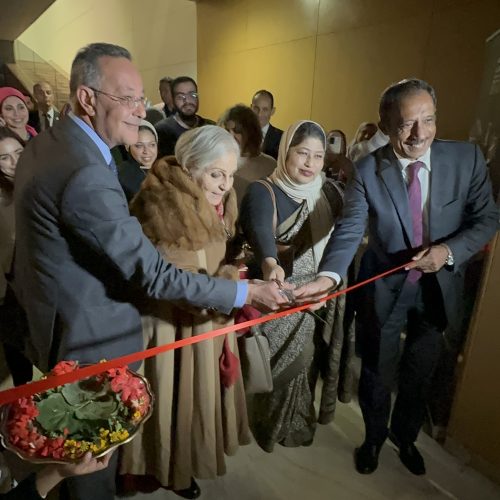
Titled “Treasures Through Folk Art Between Egypt and Peru,” NMEC inaugurated a heritage art exhibition in collaboration with the Embassy of Peru in Cairo. The exhibition was held in the museum’s Textile Gallery. This exhibition was part of the ongoing collaboration between the museum and the Republic of Peru, showcasing the decorative ceramic folk art of artists and craftsmen from both Egypt and Peru. It took place on Sunday, July 7, 2024.


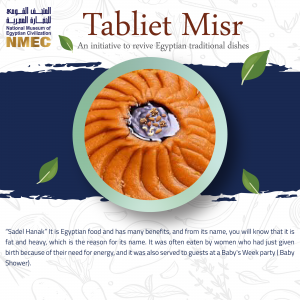
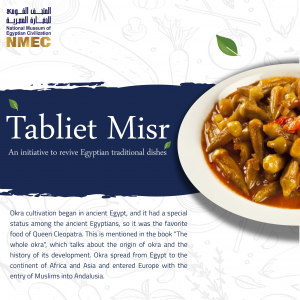
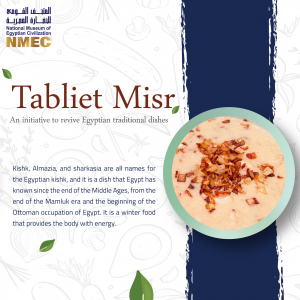
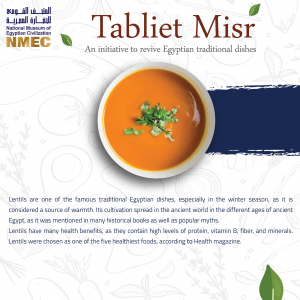
Tabliet Misr 2023

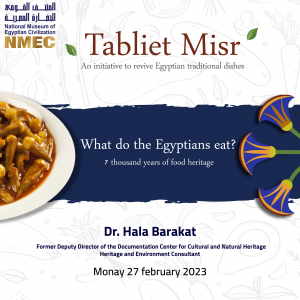
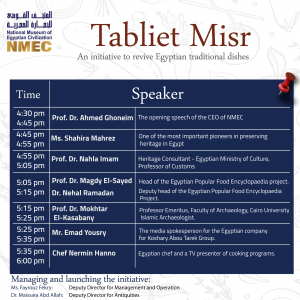
As part of the role played by the National Museum of Egyptian Civilization NMEC in preserving the Egyptian heritage, the museum is privileged to announce the launching of a new initiative.

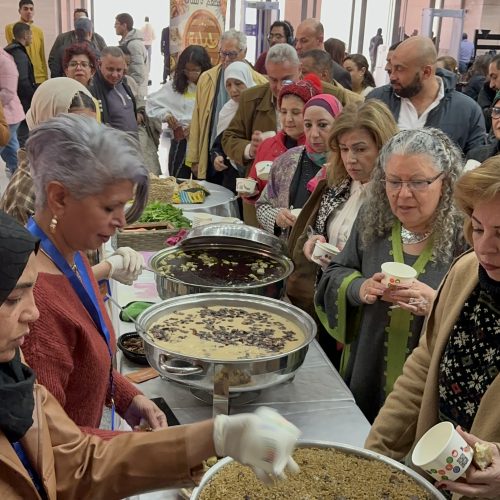
“Tabliet Misr ” is an initiative that aims at promoting and documenting Egypt’s traditional cuisine, with its most prominent dishes, that were usually served on a round dining table, famously known as “Tabliet”. It is worth-mentioning that the table’s roundedness refers to eternity in ancient Egyptian philosophy. Thus, sitting around the “Tabliet”, indicates that all Egyptians, despite of their backgrounds, gather around and are bounded for eternity.

Therefore, we cordially invite you to attend the opening of “Tabliet Misr” that takes place on February 19th, 2023 at 4:30 P.M, at NMEC’s Grand Theater.

Coordinator
Dr . Sahar abd elrahman
NMEC library Manager

sahar.mohamed@nmec.gov.eg


Tabliet Misr 2024

Tabliet Misr 2024

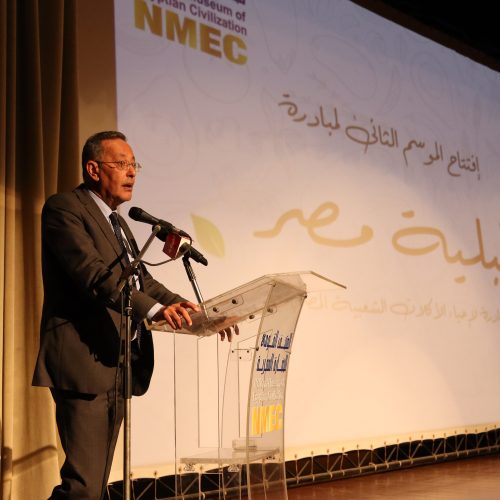
The Launching of Tabliyt Misr Season Two 15th of February 2024

During the second season, Tabliyet Misr initiative aims to establish the ​​sustainability concept, and combat waste in Egyptian cuisine, to better confront climate change through different agricultural seasons. One of the most important goals of the initiative is to educate, encourage and empower people to grow their own food,​​ as one of the most important health, economic and social pillars of Egyptian cuisine

The Innauguration of The Temporary Exhibit “On the Tabliya”

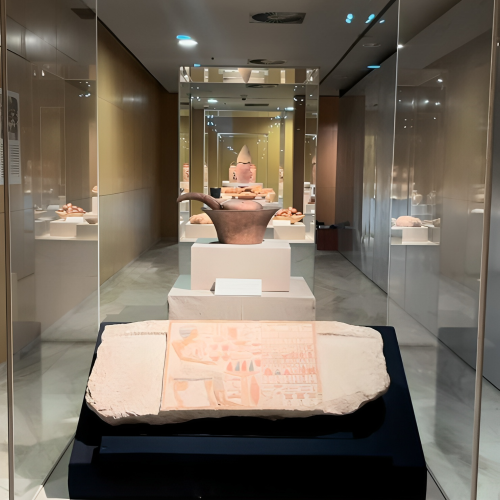
On February 15, 2024, NMEC hosted a three-week temporary exhibition called “On the Tabliya” in honor of Egyptian cuisine, which is among the richest and most ancient in history, to commemorate the start of the second season of the “Tabliyat Misr” initiative. About seventy objects, many of which had never been on display before, represented Egypt’s culinary culture from the Old Kingdom through the Modern Era.

A depiction of an offering table from the Old Kingdom, as well as real food from ancient Egypt, including meat and grilled birds, bread, and fruit, were all on display in the exhibition, along with several models of tableware and kitchen tools.

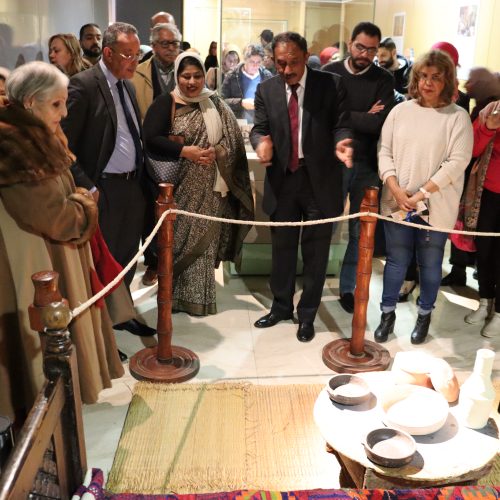
In the end, a real Tabliya was constructed to imitate rural families’ dining halls and convey the Egyptian belief that a family gathering around the Tabliya symbolizes harmony and cohesiveness.

Art Exhibit Cooking and Creativity

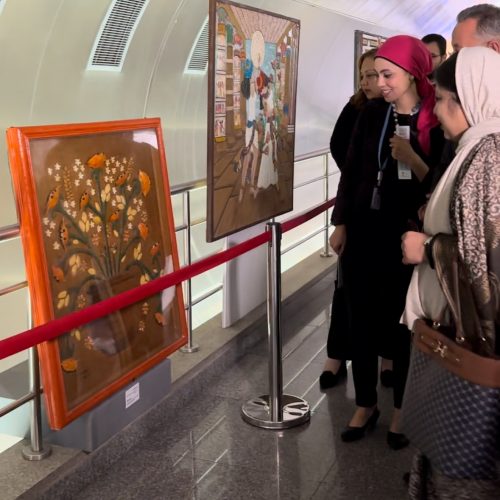
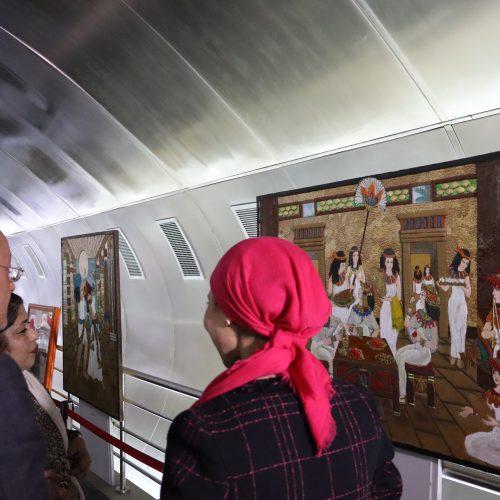
Most housewives dispose of leftover food, especially after large gatherings; however, artist Taghreed Youssef repurposes these remains, such as egg shells, pistachio shells, clam shells, legumes of all kinds, olive seeds, date pits, and much more, into artistic pieces with an ancient Egyptian inspiration.

The Cooking Sunshine Exhibit 15th of February 202

In light of global warming and the search for alternative resources, solar cooking is an economical way that is more sustainable. So, this project «Cooking Sunshine» depends on  visiting the different cities in search of recipes that depend on sunshine in its cooking process whether by fermenting, preserving or drying, and documentery the recipes through different artistic media to revive traditional recipes.

Interactive Sessions

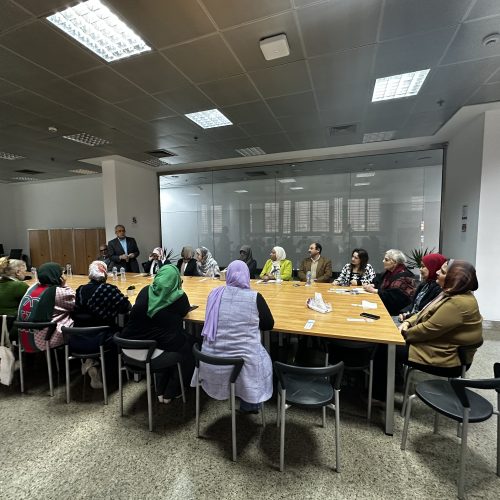
In order to raise community knowledge about waste reduction and to provide safe, healthy food, these discussion circles explore the sustainability of Egyptian cuisine. They also include home gardening techniques and how to preserve and store food according to season.

Grow Your Food: The First Session of the Season of Tabliyt Misr

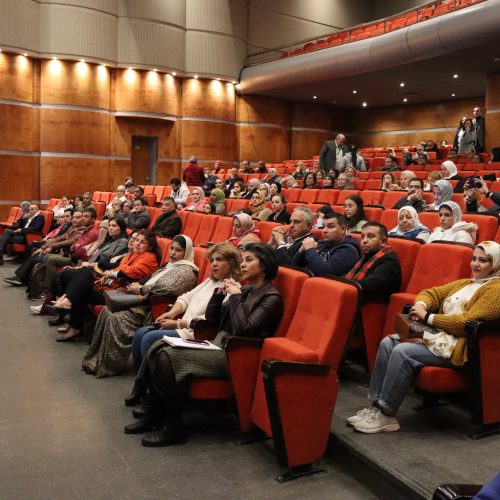
NMEC launched the first of its interactive discussion sessions entitled “Grow Your Food”, as part of the “Tabliyet Misr” initiative’s second season to revive Egyptian popular dishes. The sessions are held in the museum’s library and via online live streaming to raise awareness and protect the heritage of Egyptian food throughout history.

The participants witnessed a discussion session moderated by Prof. Dr. Hassan Abu Bakr, Professor of Organic Agriculture and Biological Control at the Faculty of Agriculture, Cairo University, in the presence of a group of experts in the field of sustainability in Egyptian cuisine, including Dr. Mohamed Hassan, Dr. Saeed Shehata, and Dr. Ahmed Hawash from the Research Center. Agricultural and Professor Shahira Mahrez, a researcher in the field of heritage and traditional fashion, as well as a group of scholars and researchers from universities and lovers of Egyptian heritage and those interested in it.

The museum is also keen to discuss vertical, aerobic and hydroponic farming methods, and methods and methods of farming without soil on the roofs of buildings, schools, youth centers and factories. Pictures of actual projects for these models were also presented, with suggestions for implementing these ideas. A dedicated area in the NMEC garden will act as a practical and applied model for the outcomes of the sessions.
The Young Egyptian Chef

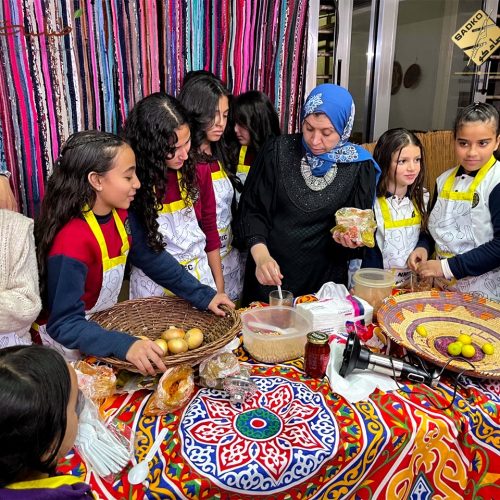
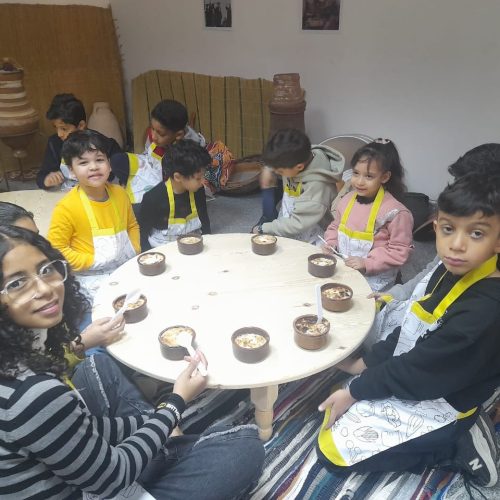
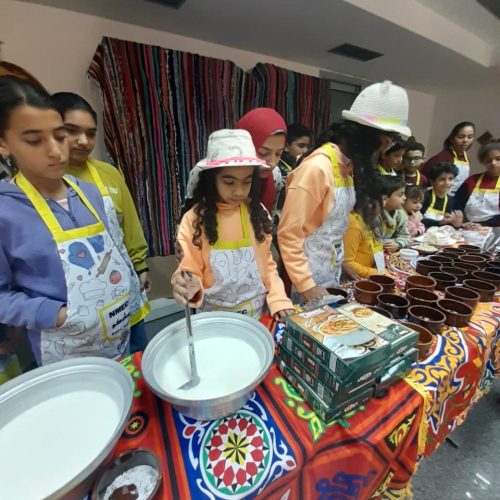
The Young Egyptian Chef presents traditional foods in a simple and practical way to children and referring to traditions related to food, whether in song or popular proverbs, also displaying the different food culture related to the regions, villages, as well as those related to celebrations, seasons, holidays, and harvest seasons.
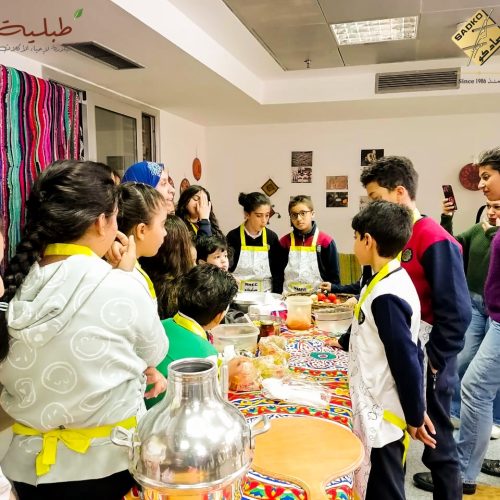
Furthermore, the activities and emphasize the importance of family bonding and gathering around the Egyptian Tabliya which supports the idea of preserving the link between the past and the present. It also discusses the quest to document grandmothers’ foods through the store of memories with home-cooked taste. The Young Chef is considered the easiest way to preserve and document the food heritage, through engaging the future generations and empowering them to learn to cook local food. This was implemented in partnership with SADKO Group.
Al Halabessa: The First Activity of The Young Egyptian Chef

The chickpea legume, sometimes known as Halbessa, which originated in West Asia and the Mediterranean, is shaped like the head of a falcon, or “Horus.” It comes in two forms and is one of the earliest meals ever made. The first is the green, which is called “malanah” and is eaten during Easter. Another version is called “Halbasa,” which is a warm, spicy drink made by boiling chickpeas in water with spicy tomato juice and usually some lemon juice added for flavor. It is a well-liked dish that street vendors sell along the Nile Corniche.

Umm Ali: The Second Activity of The Young Egyptian Chef

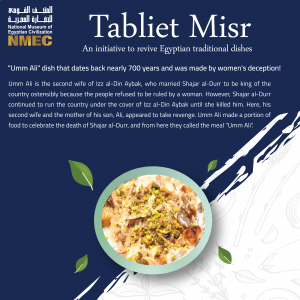
Umm Ali is the second wife of Izz al-Din Aybak, the first of the Mamluk Sultans, after his first wife Shajarat al-Durr. From his second wife he had his son Ali, Umm Ali.  Shajarat al-Durr became angry and killed the sultan. Umm Ali decided to plot against so Ali, can become a sultan over the country, and “Umm Ali” decided to mix the flour, sugar, ghee, and chips “Umm Ali’s ingredients” and distribute them on the occasion of Shajarat al-Durr’s death and the ruling of her son, “Ali,” as sultan over the country, and from here came the name “Umm Ali.

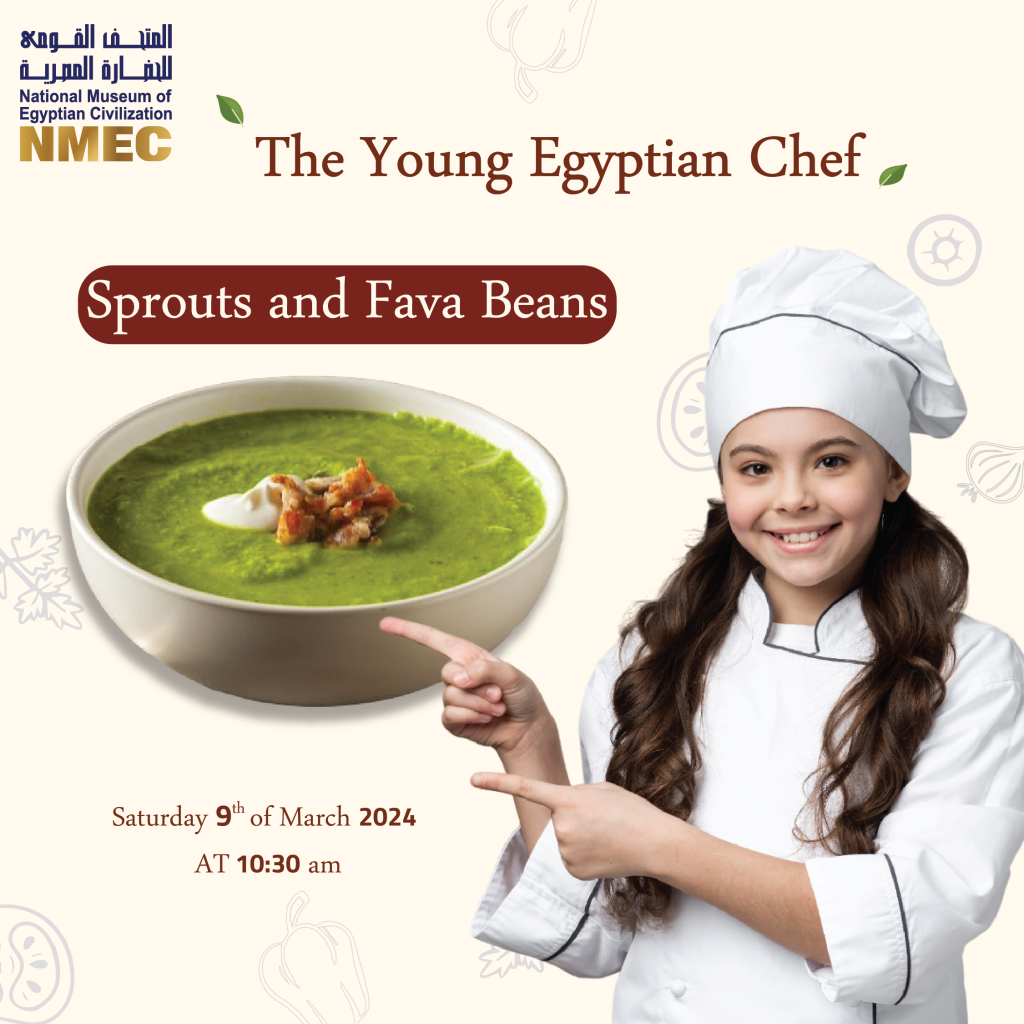
Al Bessara and Sprouts: The Third Activity of The Young Egyptian Chef

Learn, cook, and taste besara and sprouted fava beans in a workshop entitled “Sprout and Besara” as part of the Little Egyptian Chef’s workshops at NMEC as part of the activities of the second season of the Tabliyet Misr initiative, which are popular foods with Egyptian roots that give the body warmth and energy, especially in the winter.

“Inspection trips on archaeological sites in Upper Egypt and the archives of Eduardo Toda” Exhibiton

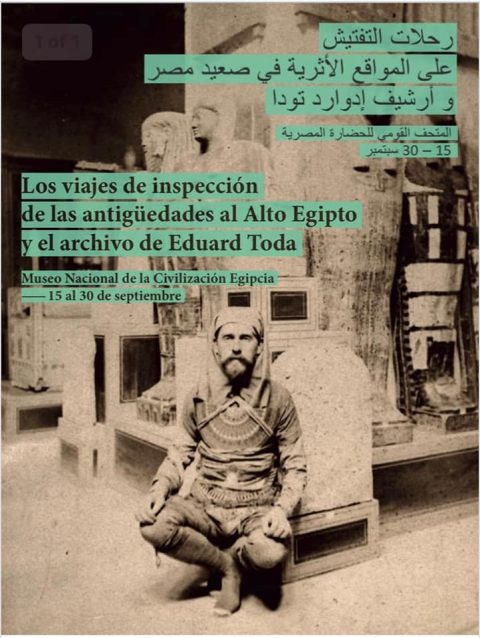
Dr. Ahmed Ghoniem, Chief Executive Officer of the Egyptian National Museum of Civilization, Fatitat, Ambassador Alvaro Iranzo of Spain, Cairo, opened an exhibition of archival images entitled “Inspection trips on archaeological sites in Upper Egypt and the archives of Eduardo Toda”, organized in cooperation between the Museum and the embassy of Spain in Cairo. The exhibition features a number of photographs from the collection of Eduardo Toda y Güell, who served as the Spanish Vice Consul in Cairo between 1884 and 1886, pointing out that these photographs are a documentation of the work of the Egyptian antiquities during the nineteenth century.

World Art Forum (WAF)

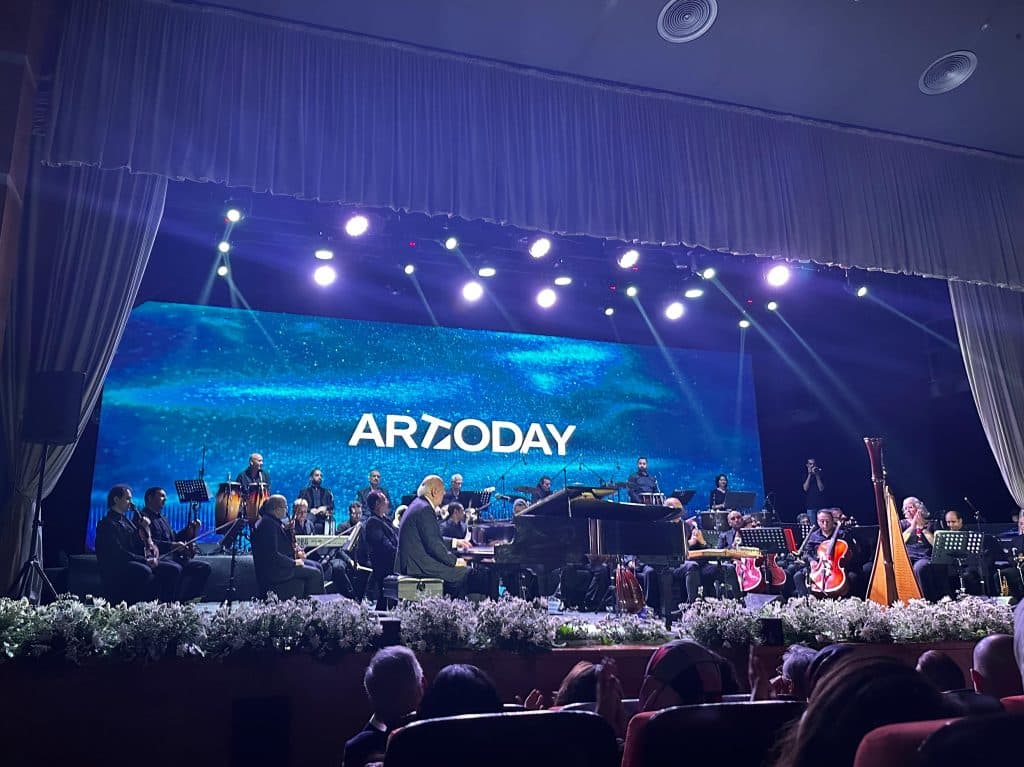
NMEC hosted the first edition of the international contemporary art event “The World Art Forum (WAF)”, which reflects the link between contemporary art and the SDGs, which are in line with Egypt’s 2030 Vision.